
1
2
3
4
5
6
Dr. Kaustubh Thirumalai
Originally from Bengaluru, India, I joined the Department of Geosciences faculty in Fall 2019 after a postdoctoral fellowship at Brown University. Prior to that, I was at the University of Texas at Austin, where I obtained M.S. and Ph.D. degrees; I received a B.Tech degree in Chemical Engineering from the National Institute of Technology, Karnataka.
Research Interests: paleoceanography, climate dynamics, carbonate (bio)geochemistry, monsoons, ENSO, marine paleoecology
Personal Interests: birding, heavy music, photography
Email: kaustubh@arizona.edu
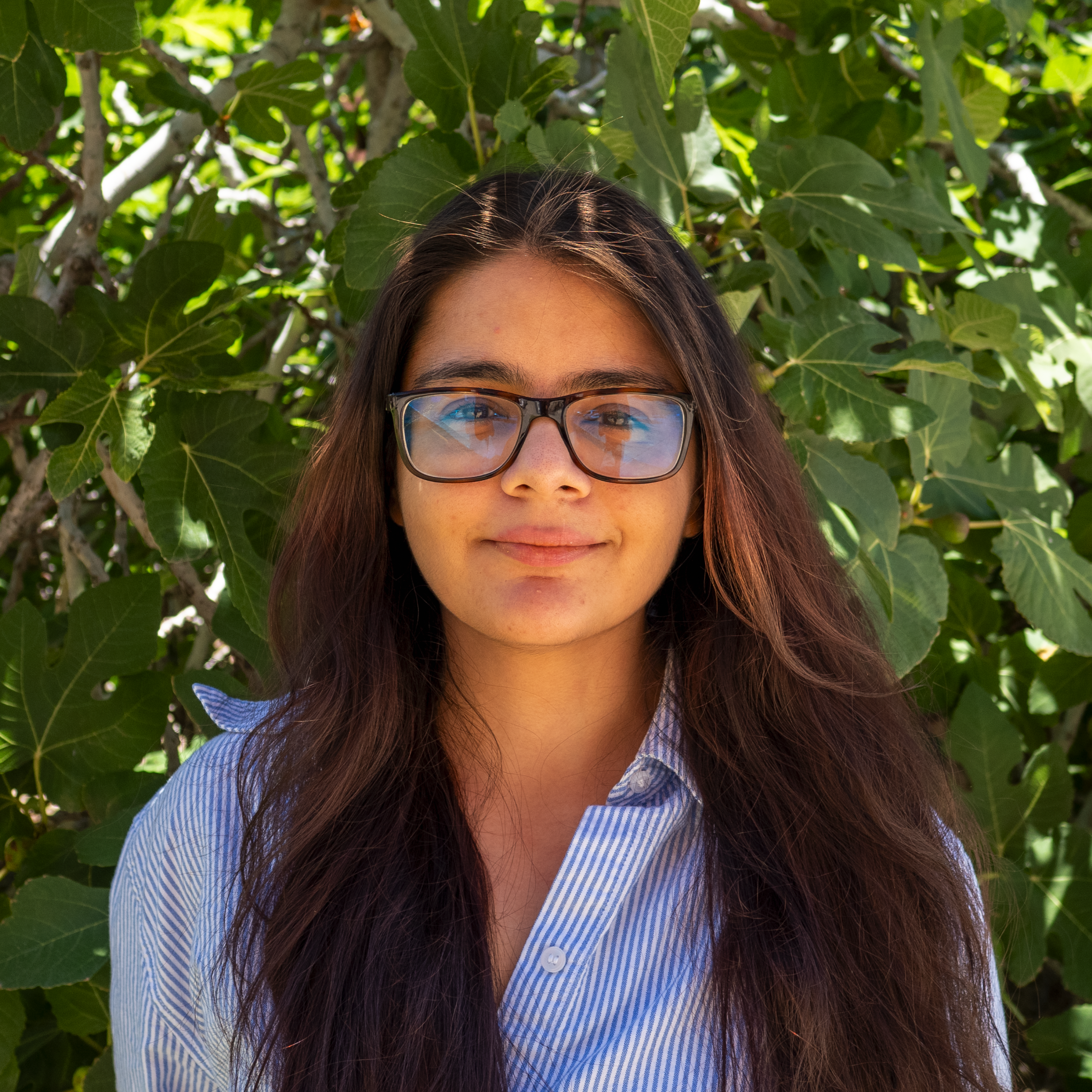
Dr. Anubhav Kaur
Anubhav Kaur is a Fulbright-Kalam Postdoctoral Fellow who received her Ph.D. in June 2024. Prior to joining the lab, she served as a Residential Research Fellow at Ashoka University in India (2024–2025). Trained as an archaeologist, Anubhav is interested in understanding human-environment interactions across deep time, drawing from the fields of paleoecology and taphonomy to reconstruct past ecological and environmental conditions.
Her doctoral research examined human-environment interactions across the Indian Subcontinent spanning 2.58–0.4 Ma, shedding light on how early hominins responded to shifting landscapes and climates over millions of years. Alongside this work, she has investigated the paleoecology of Pleistocene hyena dens and is currently leading a neo-taphonomy project focused on understanding carnivoran accumulations and predator-prey dynamics—research that has important implications for understanding resource competition between prehistoric hominins and large carnivorans. Now, at the University of Arizona, Anubhav is exploring how Pleistocene climate change drove shifts in terrestrial environments across South Asia, and what those changes meant for hominin dispersals and adaptations in the region.
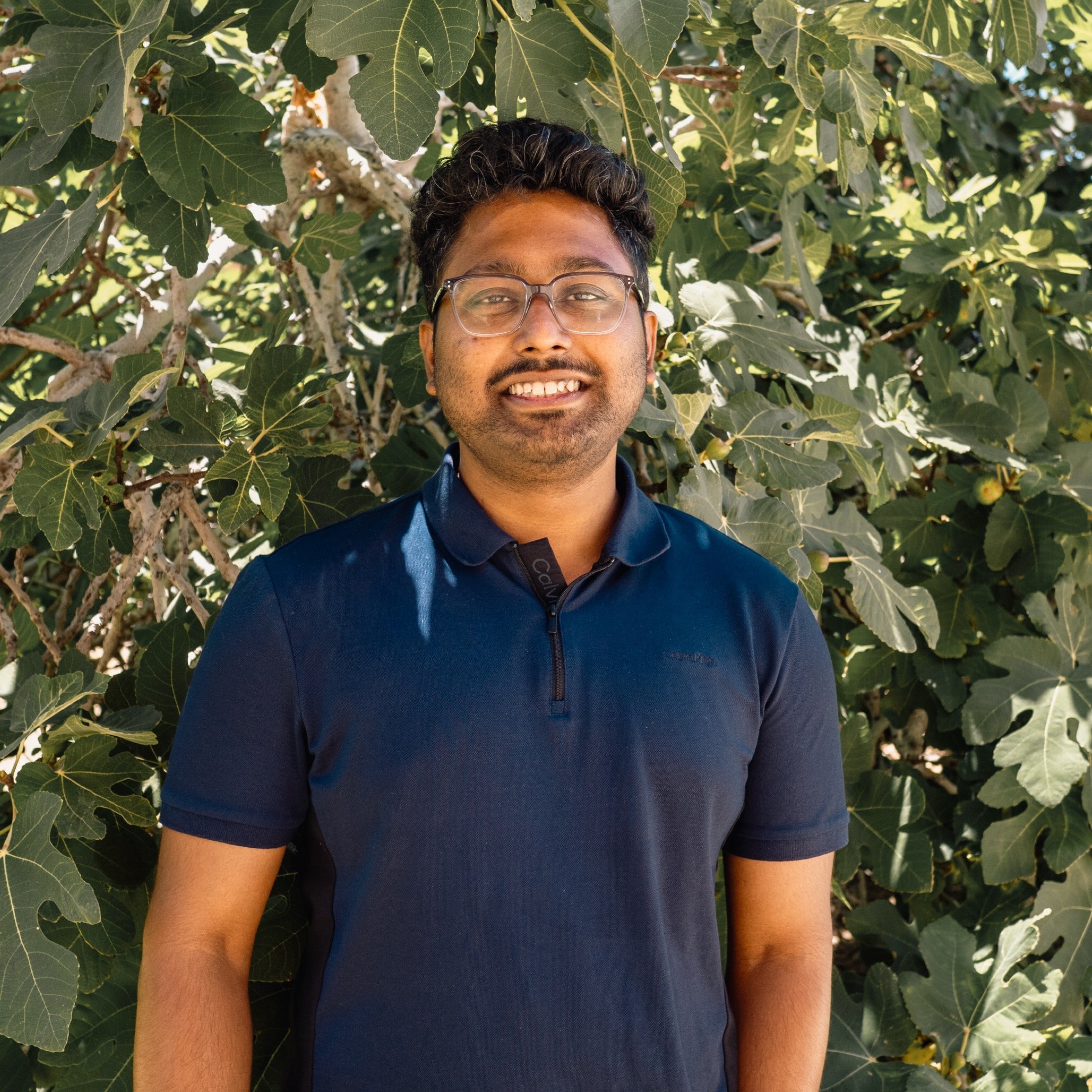
Aniket Dhar
Aniket Dhar is a fourth-year PhD student broadly interested in using geochemistry and mineralogy in carbonate archives, such as cave calcite formations (speleothems/stalagmites), to reconstruct past and observed climatic trends. His current research focuses on reconstructing late Quaternary shifts in southern Indian hydroclimate using speleothem geochemistry. Aniket is interested in understanding the kinetics of calcite precipitation and dissolution in karst systems, and the chemical exchange during the growth of speleothems, using mineralogy and the trace-element (Mg/Ca, Sr/Ca, Ba/Ca) composition of stalagmites.
Email: aniketdhar@arizona.edu
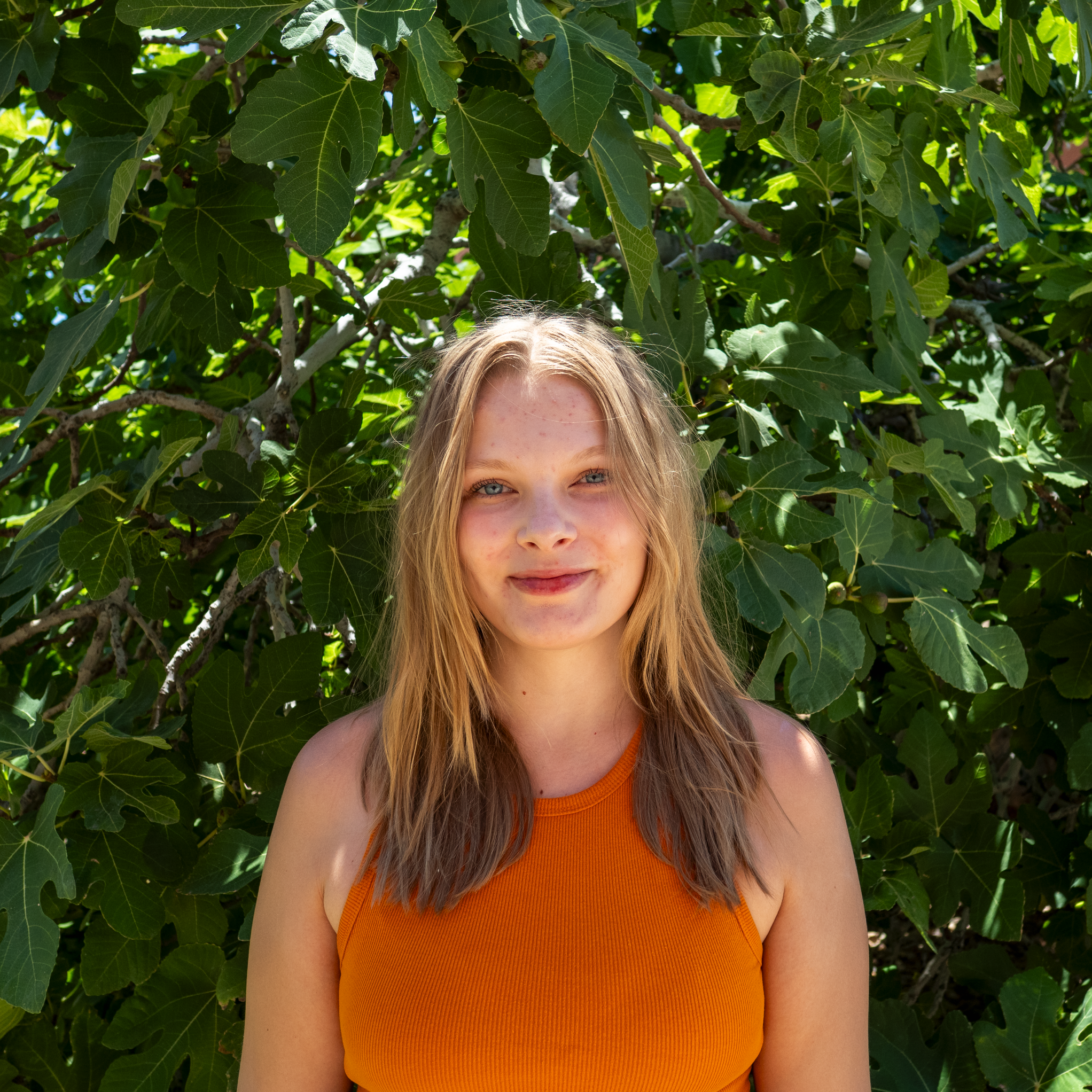
Alexandra O'Keefe
FOLLOW ALEXANDRA’S BLOG: AOK @ Sea
Alexandra is a second-year Ph.D. student at the Department of Geosciences, after completing her M.S. here from 2023–2025, working on benthic foraminiferal proxies. She is originally from upstate New York and received her BS degree in Atmospheric Science from SUNY Albany. Currently, Alexandra works with stable isotope measurements on foraminifera to reconstruct past climate regimes and variability.
Research Interests: Paleoclimate/Paleoceanography, Stable Isotope Geochemistry, ENSO and other large-scale climate dynamics
Email: aokeefe@arizona.edu
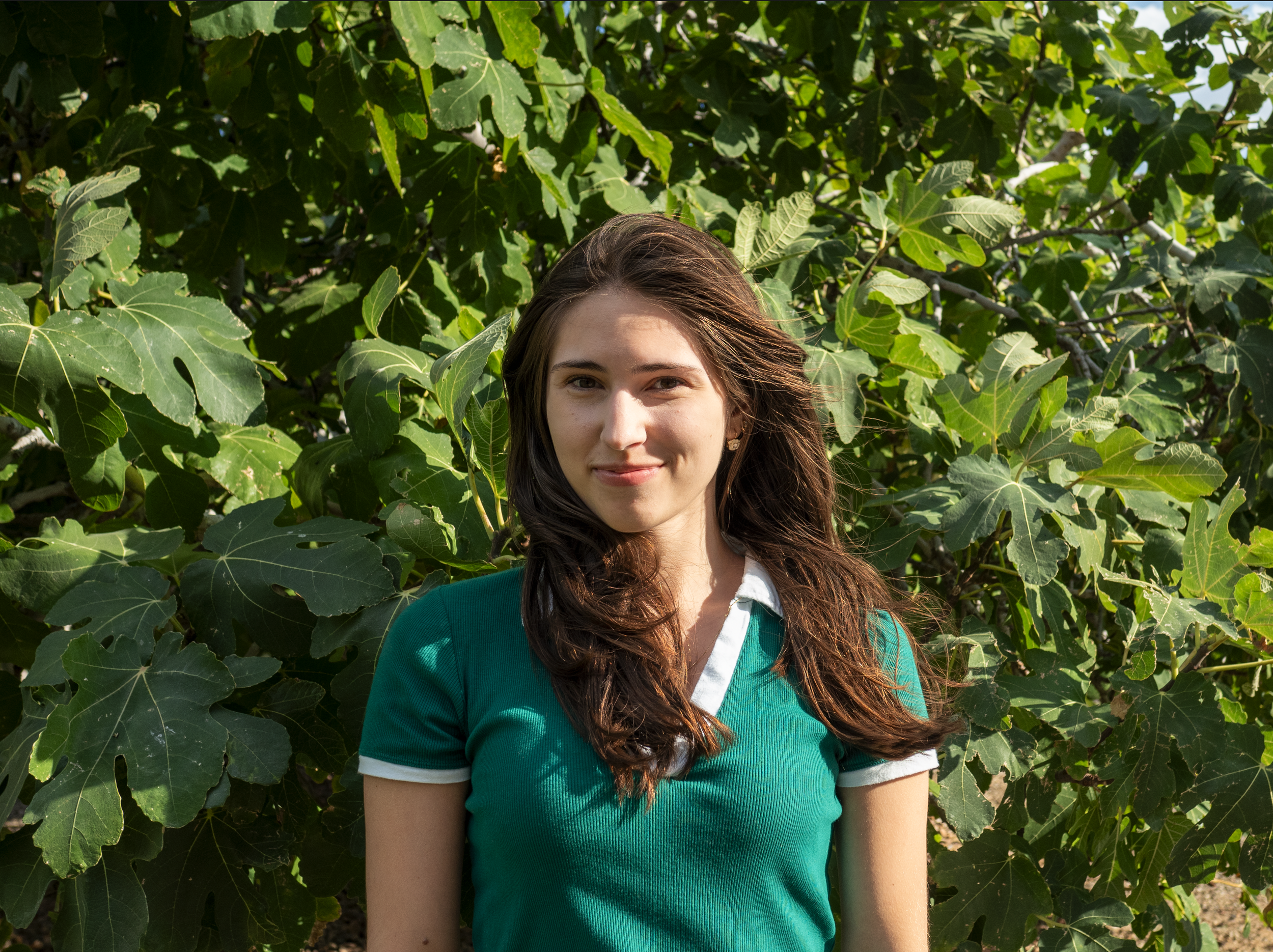
Amanda Manoogian
Originally from Northern Virginia, Amanda is a first-year M.S. student who joined Dr. Thirumalai’s Paleo² Lab in the Fall of 2024. Previously, she earned her BA in Earth and Climate Sciences from Middlebury College. Amanda is broadly interested in what foraminiferal proxies like Mg/Ca ratios and stable isotopes (δ¹⁸O and δ¹³C) can reveal about past ocean and climate conditions.
Email: amanoogian@arizona.edu
Hayley McKenley
Hayley McKenley graduated with her undergraduate degree in the Geosciences in 2024 from the University of Arizona. She joined the lab in the summer of 2022 to study benthic foraminifera and continues to work in the Paleo² Lab as a laboratory manager.
Email: hmckenley2011@arizona.edu