1
2
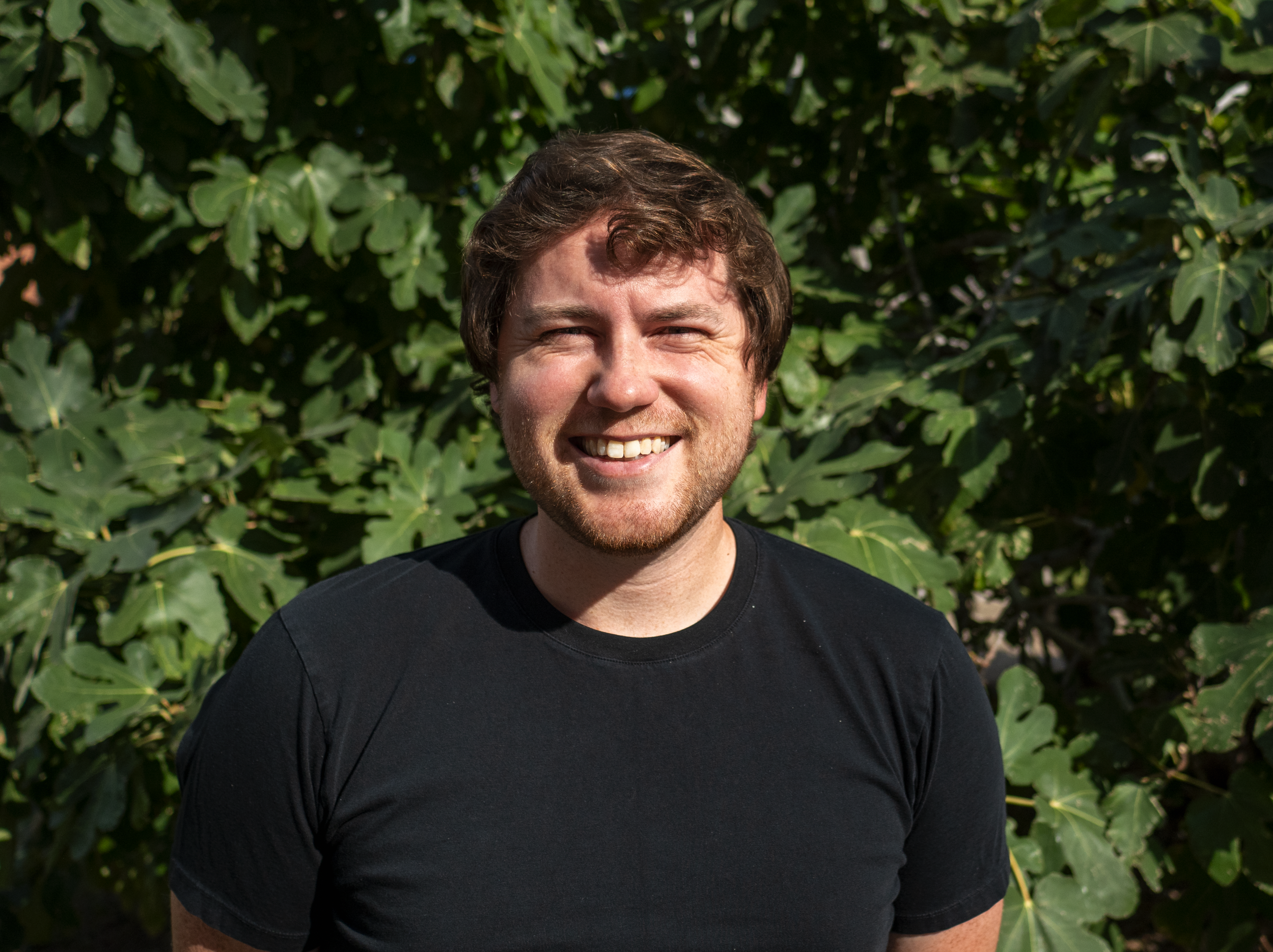
Dr. Ryan Glaubke
Ryan Glaubke received his Ph.D. from Rutgers University before joining the Paleo2 Lab in the Fall of 2024. He is broadly interested in the reconstructing past ocean conditions from periods of Earth’s history that could serve as “natural analogues” to the rate and magnitude of modern climate change. At Rutgers, Ryan’s dissertation work focused on the role ocean circulation played in the rise of atmospheric CO₂ concentrations across the last major example of global warming—the Last Deglaciation. At Old Dominion University, where Ryan received his B.S. and M.S. degrees, he investigated the response of the El Niño system—the world’s largest and most globally significant recurring climate pattern—to episodes of meltwater discharge across abrupt climate events in the deglacial period. Now, at the University of Arizona, Ryan is investigating whether the Indian Ocean supported a new and potentially significant mode of climate variability during the Pliocene—a warm period approximately 3 million years ago that resembles Earth’s future climate. Together, Ryan hopes these lessons from the past will help inform our projections of future change.
Personal interests: Hiking, surfing, soccer, music, and reading.
Email: glaubke@arizona.edu
Online presence: Bluesky, ResearchGate, Google Scholar
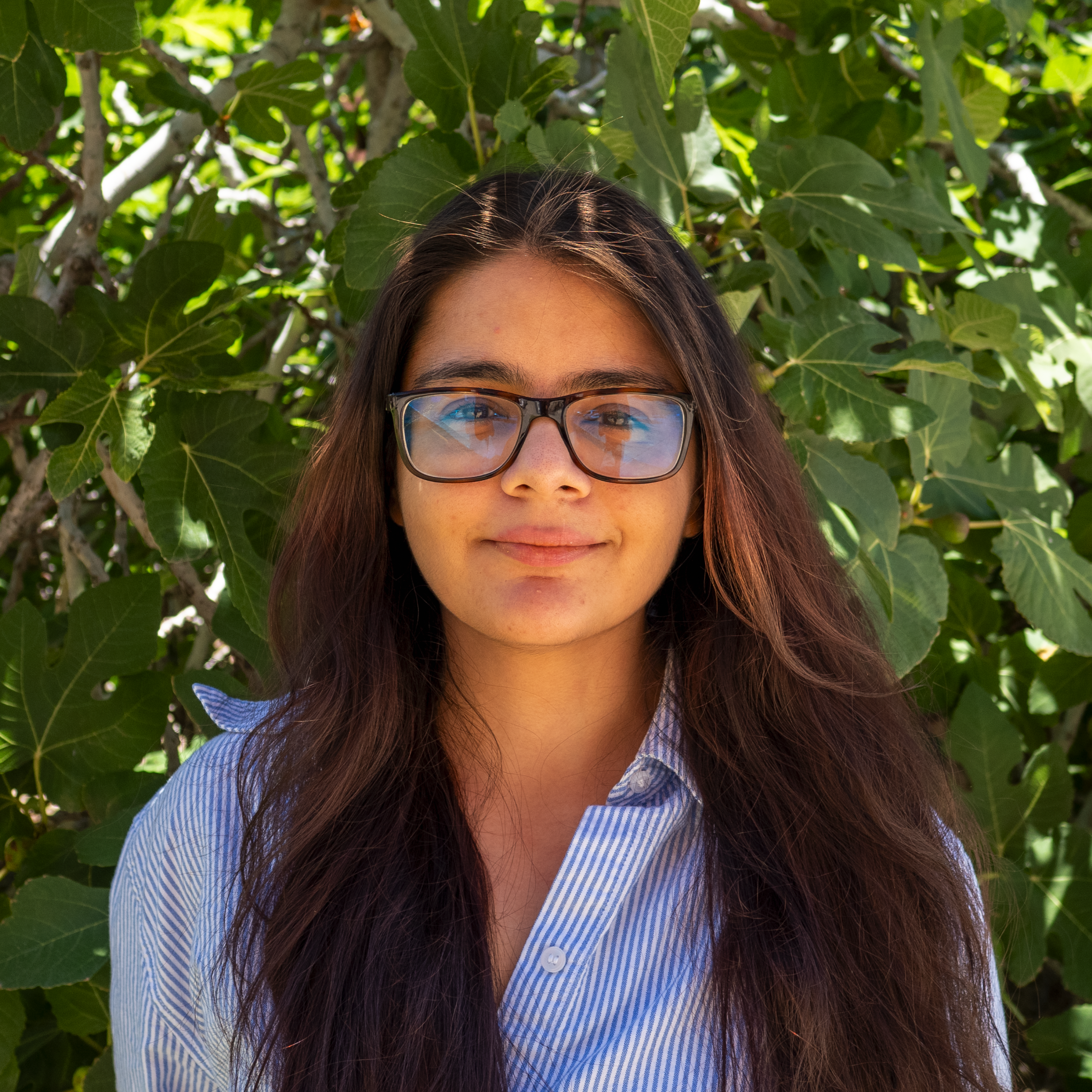
Dr. Anubhav Kaur
Anubhav Kaur is a Fulbright-Kalam Postdoctoral Fellow who received her Ph.D. in June 2024. Prior to joining the lab, she served as a Residential Research Fellow at Ashoka University in India (2024–2025). Trained as an archaeologist, Anubhav is interested in understanding human-environment interactions across deep time, drawing from the fields of paleoecology and taphonomy to reconstruct past ecological and environmental conditions.
Her doctoral research examined human-environment interactions across the Indian Subcontinent spanning 2.58–0.4 Ma, shedding light on how early hominins responded to shifting landscapes and climates over millions of years. Alongside this work, she has investigated the paleoecology of Pleistocene hyena dens and is currently leading a neo-taphonomy project focused on understanding carnivoran accumulations and predator-prey dynamics—research that has important implications for understanding resource competition between prehistoric hominins and large carnivorans. Now, at the University of Arizona, Anubhav is exploring how Pleistocene climate change drove shifts in terrestrial environments across South Asia, and what those changes meant for hominin dispersals and adaptations in the region.